We use cookies to enhance your experience, analyze site traffic, and personalize content. You can accept all cookies or customize your preferences.
These cookies are necessary for the proper functioning of the website. They enable basic features such as navigation and security and cannot be disabled.
These cookies collect anonymous data about how visitors use our site. They help us improve performance and better understand your needs.
These cookies are used to personalize ads and provide content tailored to your interests. They may also be used to measure the effectiveness of our advertising campaigns.
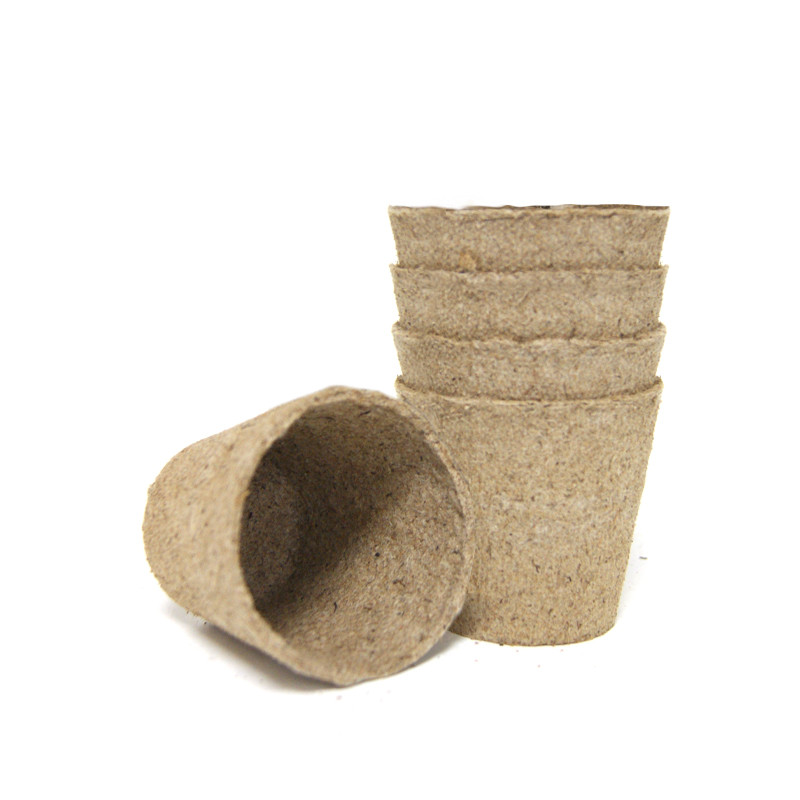
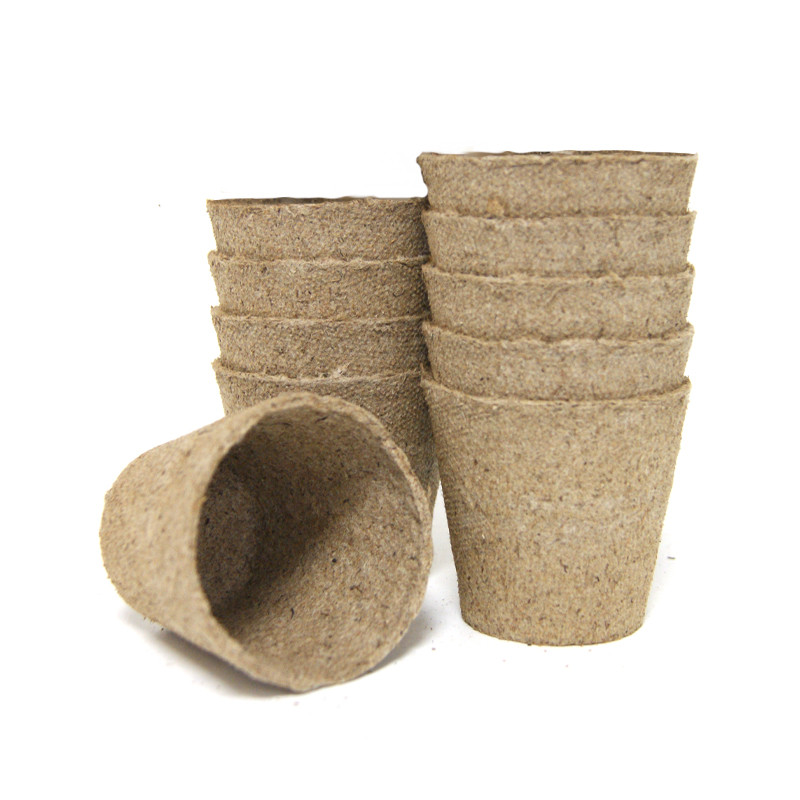
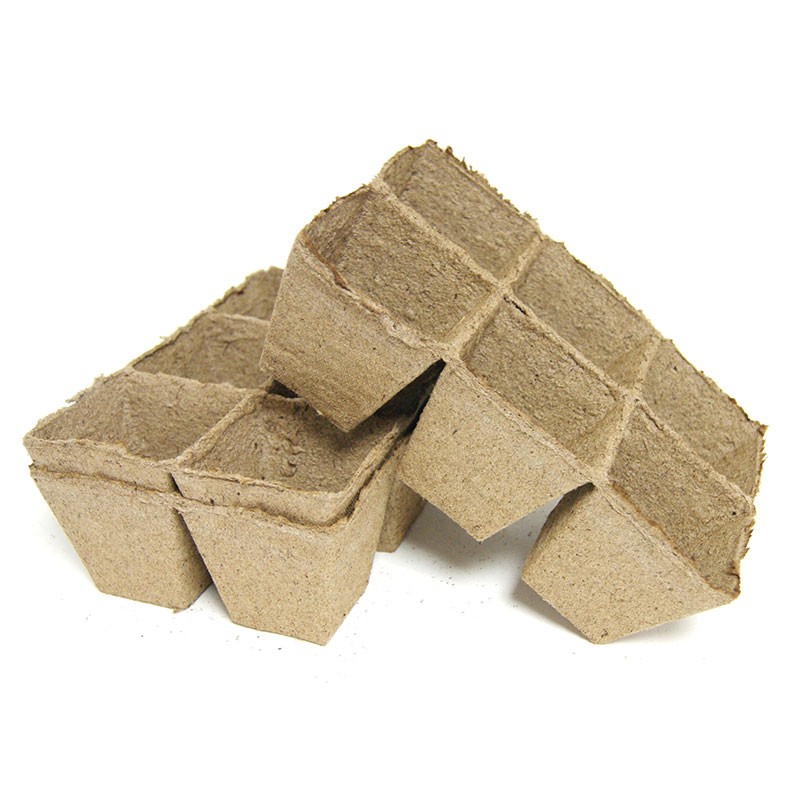
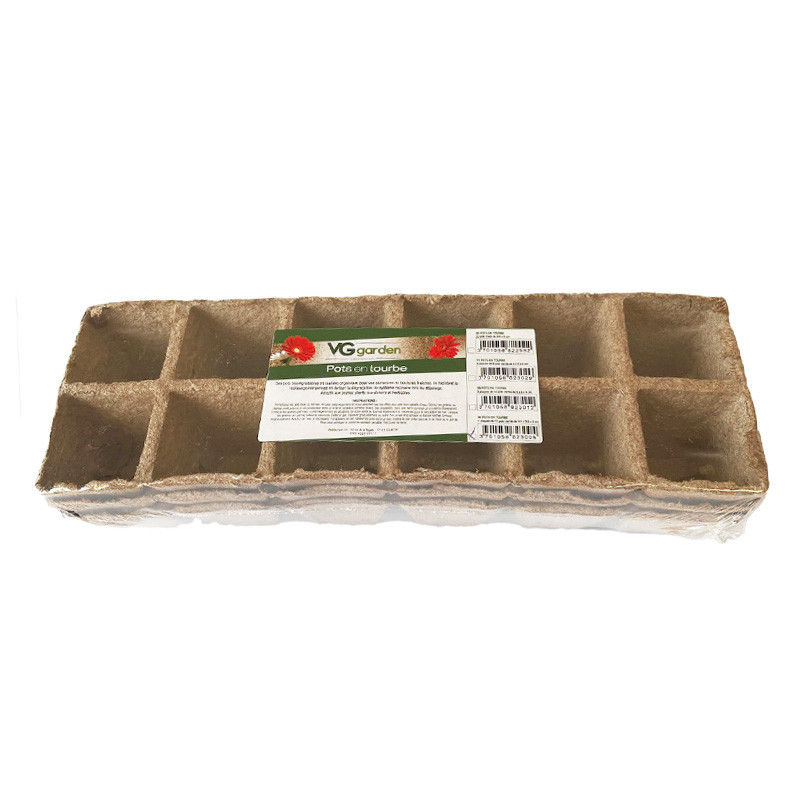
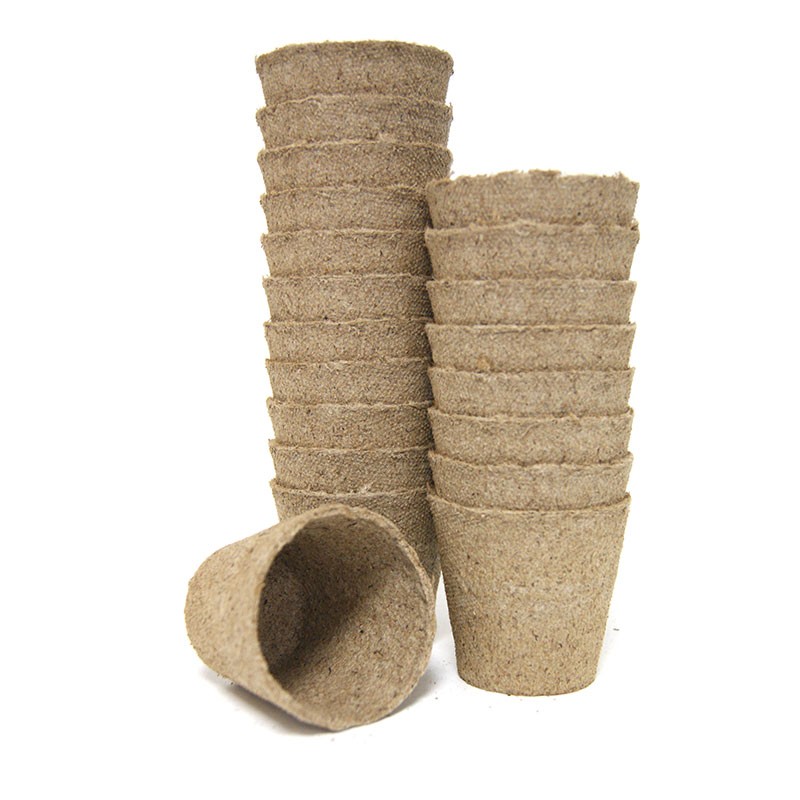
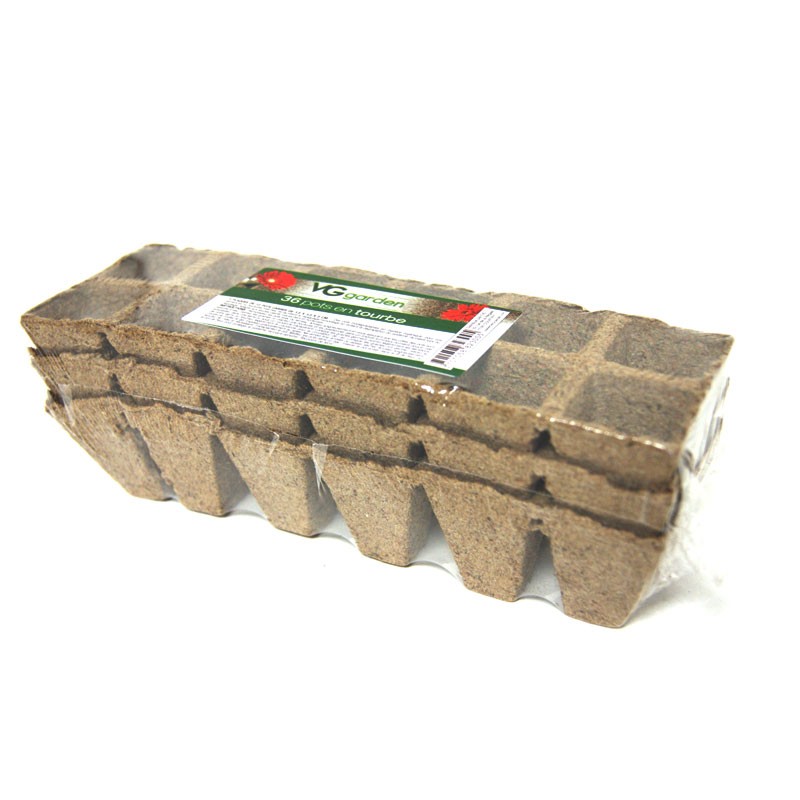
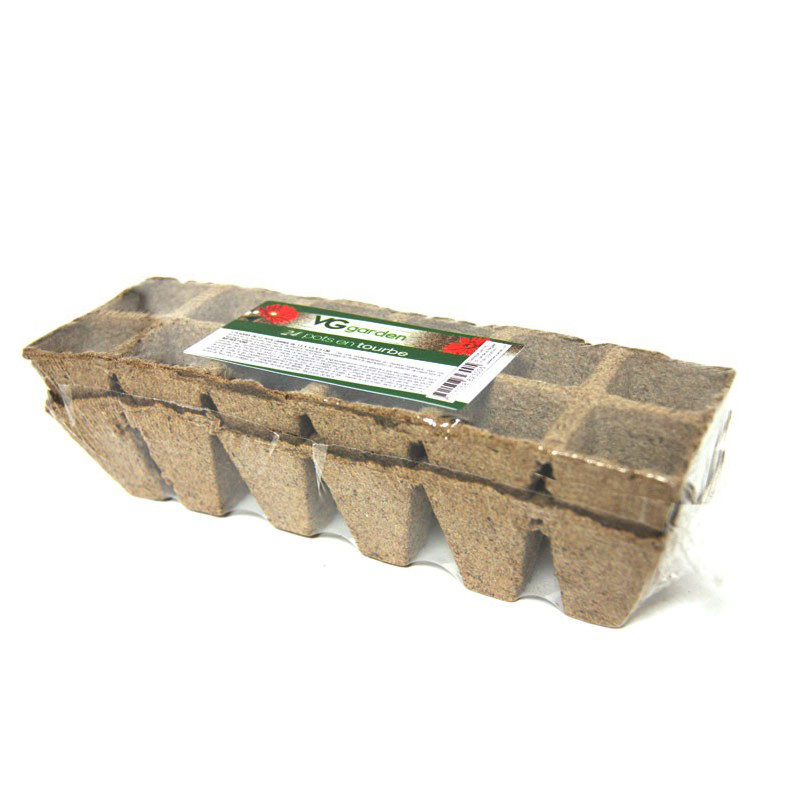
Modern horticulture and responsible gardening are converging on ever more environmentally-friendly solutions. Biodegradable pots represent a major innovation in this field. At Culture Indoorwe offer a wide range of pots designed to simplify your cultivation while minimizing your ecological impact. Made mainly from peat, wood fiber or coir, these pots are the perfect solution for germination, sowing, cuttings and young plant development.
One of the main advantages of these organic pots is that they enable plants to be transplanted directly into their container, without disturbing their root system. This is crucial for the survival and development of young shoots, which are particularly sensitive to the stress of repotting. The brand VG Gardenbrand, in particular, is a benchmark in this field, offering high-quality pots suitable for all sizes of plants and all types of cultivation, whether vegetable, ornamental or flowering.
Opting for biodegradable pots means making a choice that benefits both your plants and the environment. Here are the main advantages of these containers:
To help you master the art of germination and cutting with biodegradable pots, we've put together comprehensive guides and expert advice. To understand the fundamentals of propagating your plants.
See our article What is cutting?(click here) for a step-by-step guide to this technique.
And to learn more about the processes that optimize root health, our guide What is air-pruning?(click here) will explain the importance of this phenomenon for stronger, more productive plants. These resources are essential if you want to get the most out of your biodegradable pots and succeed with all your crops, from sowing to planting.
How do I use a biodegradable pot?
It's very easy to use. Fill the biodegradable pot with quality seedling compost. Plant your seeds or cuttings, taking care to maintain constant humidity. Once the young plant is sufficiently developed and its roots are beginning to penetrate the walls of the pot, you can transplant it directly into a larger pot or into your garden, without having to remove it from its pot.
Is peat a good growing medium?
Peat is an excellent component for biodegradable pots. It's an organic material that offers excellent water retention and ideal aeration. It's also slightly acidic, which suits many plants. When it decomposes, it enriches the soil and improves its structure, acting as an organic amendment.
How long does it take for a pot to decompose?
The time it takes for a biodegradable pot to decompose depends on a number of factors, including soil moisture, temperature and microbial activity. In general, pots decompose within a few weeks or months of being placed in the ground, just long enough for the plant to root firmly without being hindered.
Can biodegradable pots be used for hydroponics?
Biodegradable pots are not recommended for use in hydroponics, as they decompose rapidly on contact with water, releasing organic matter that could upset the balance of your nutrient solution and clog your irrigation system. They are specifically designed for cultivation on solid substrates, in soil or in pots.